Engagement & Wedding Rings
Fifteen bands, each shown here as a finished ring. Every one is made to order in Hatton Garden, and every part of it is yours to choose: the stone, the setting that holds it, the metal and the size. Pick the shape you like and change the rest. Not sure of the size? Read our ring size guide.
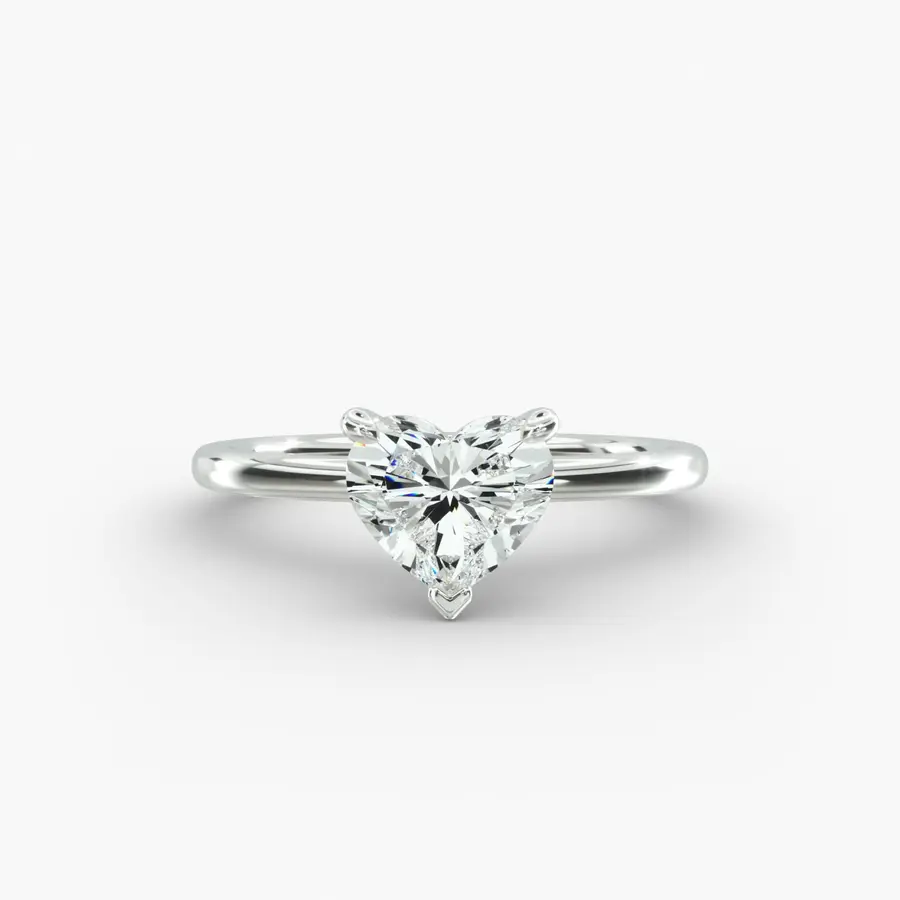 Customise
Solitaire Engagement Ring
Four Claw head
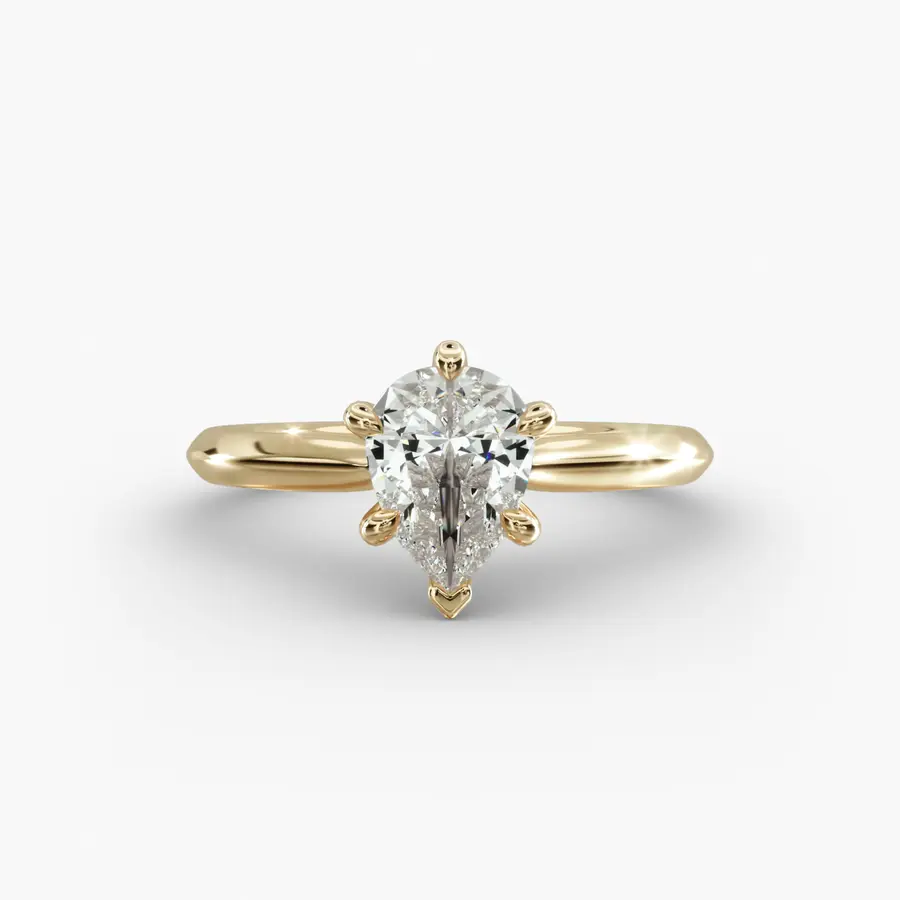 Customise
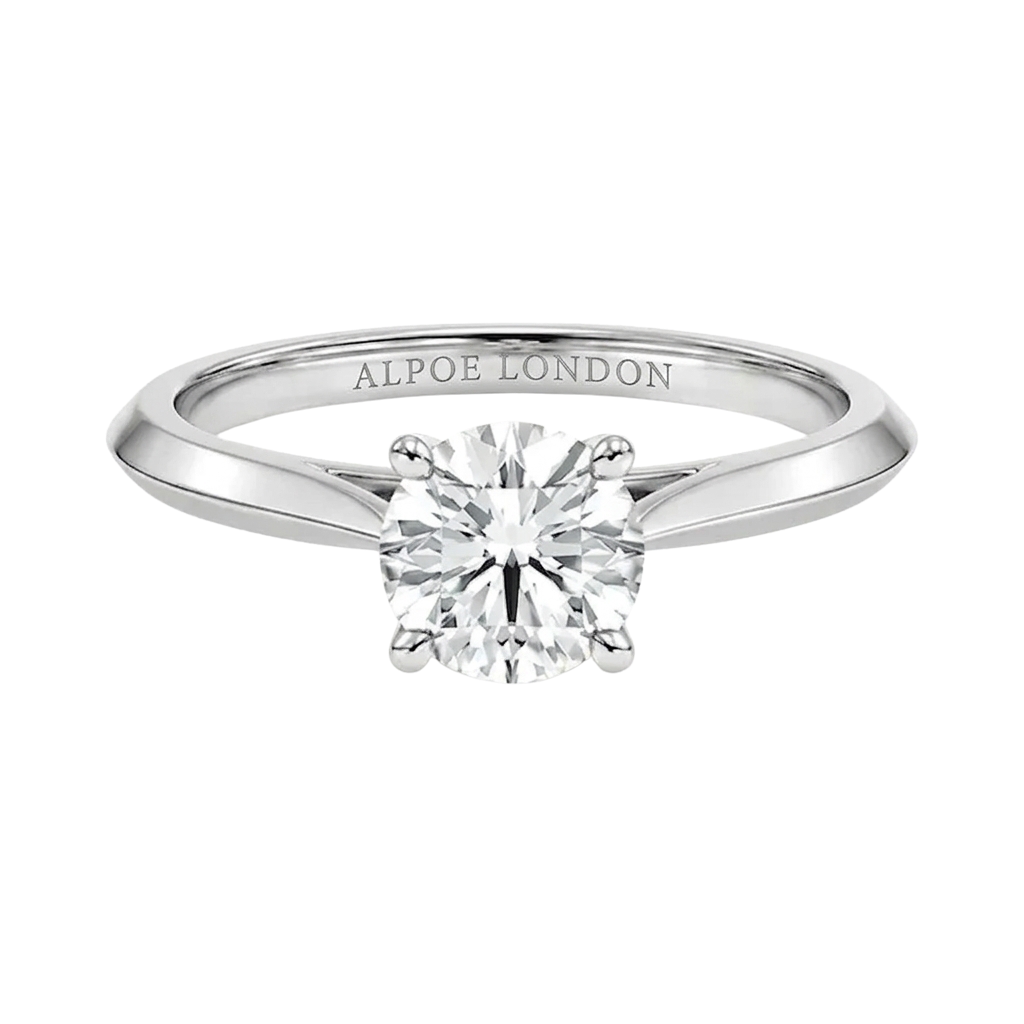
Knife Edge Engagement Ring
Six Claw head
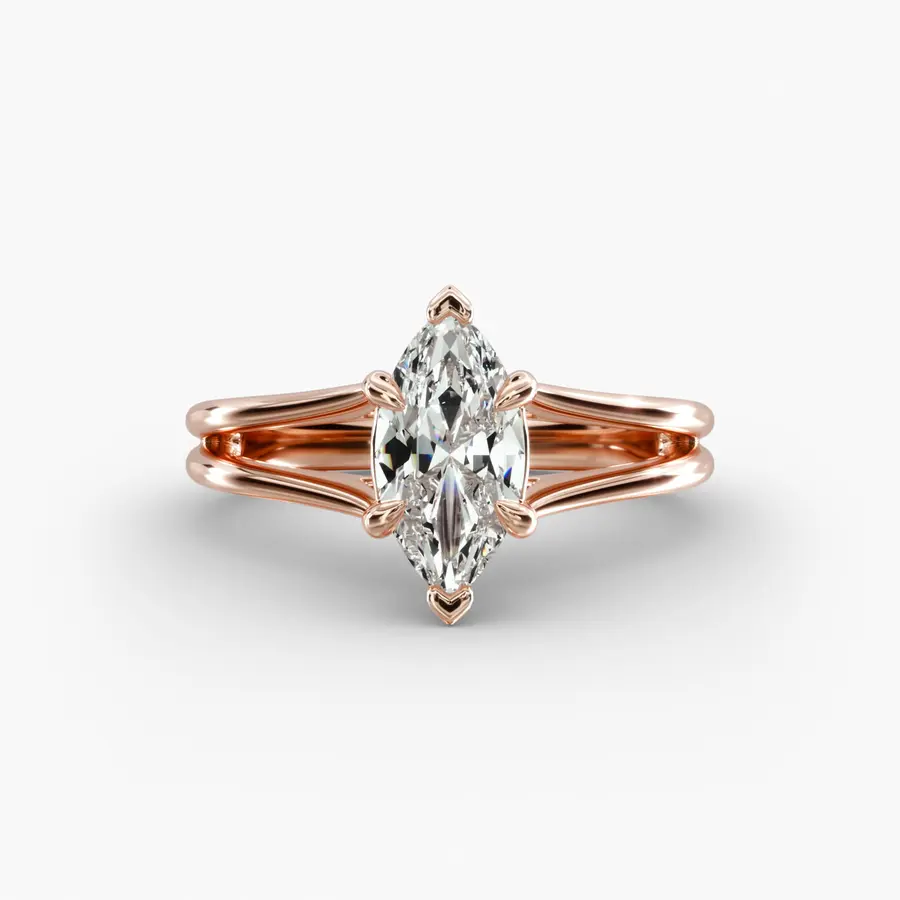 Customise
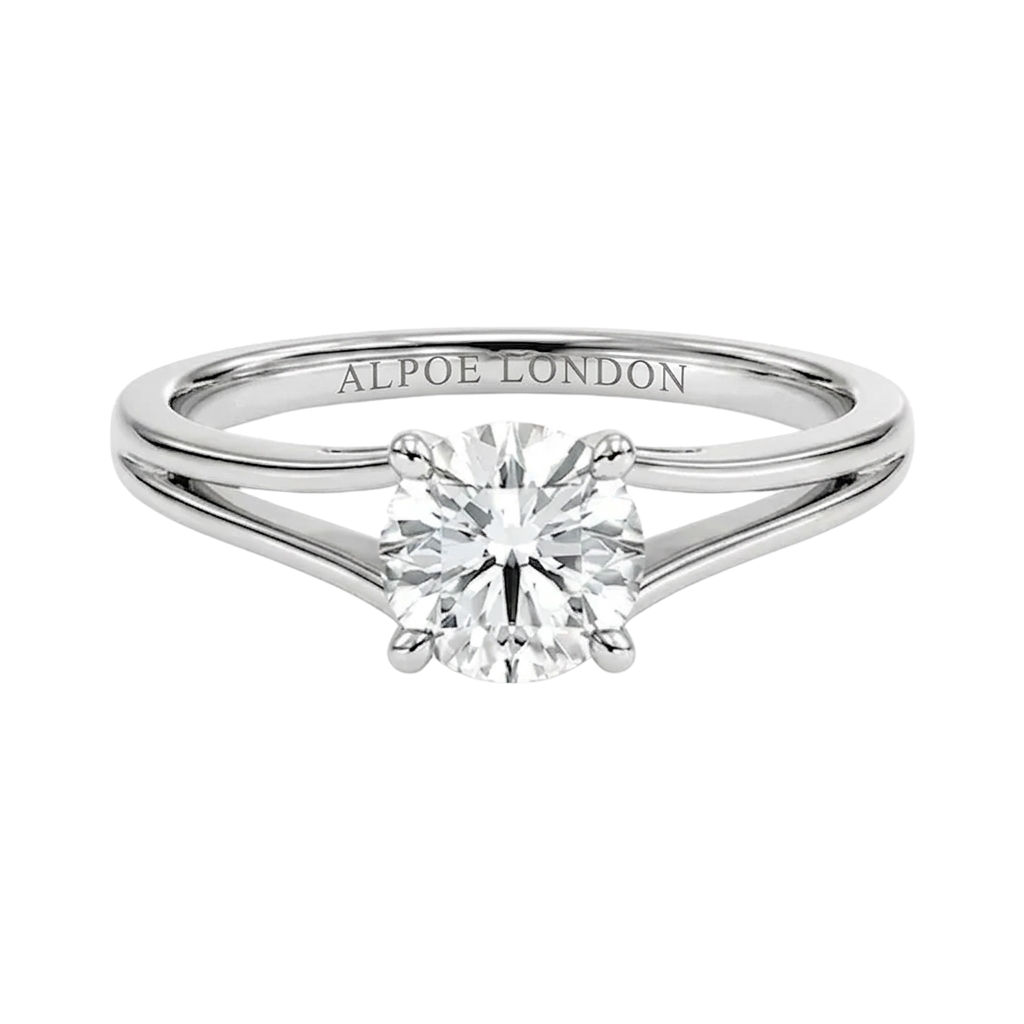
Split Shank Engagement Ring
Six Claw Diamond head
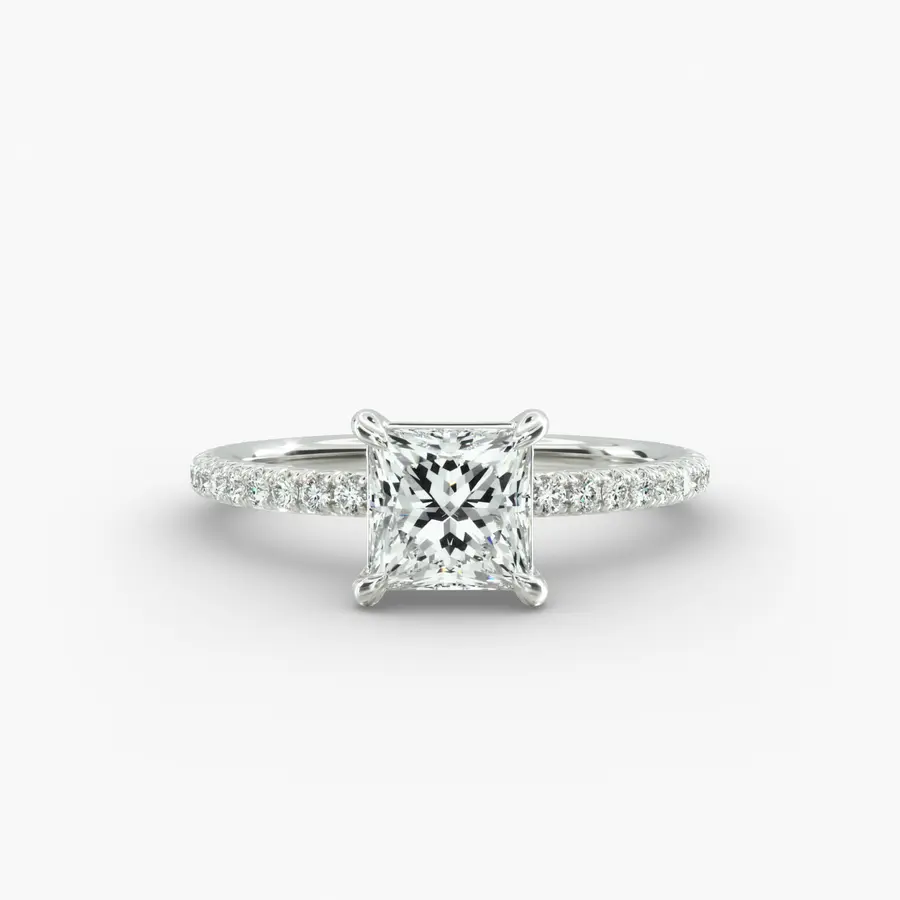 Customise
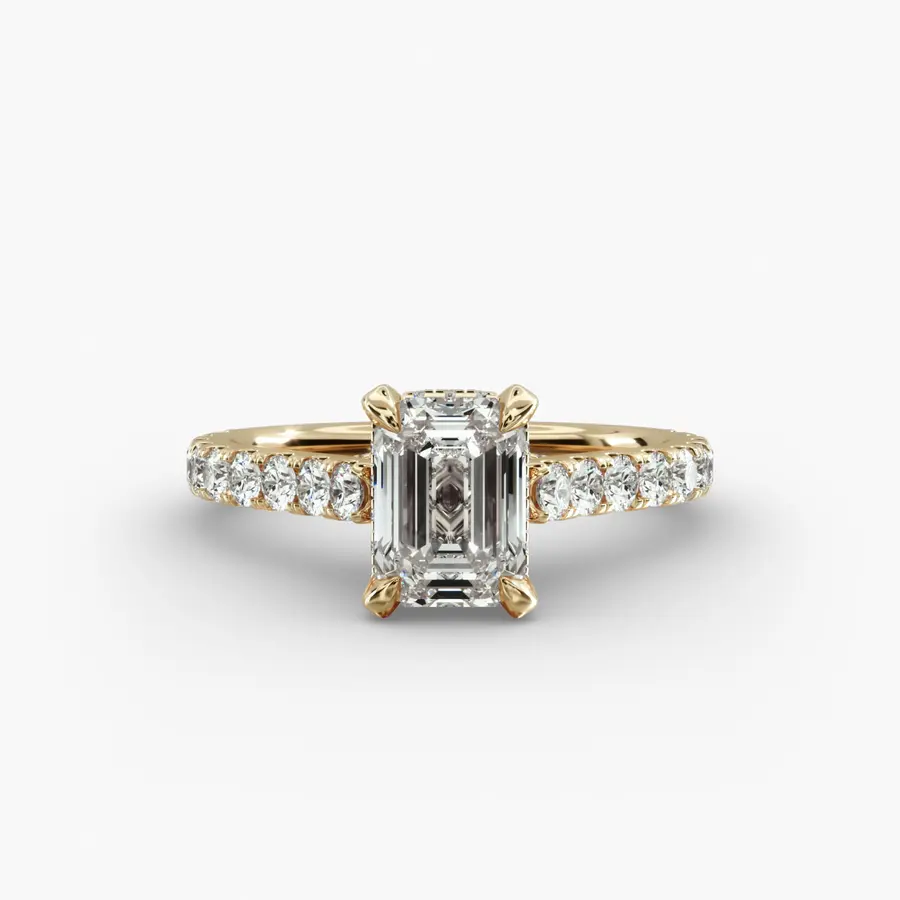
French Pavé Engagement Ring
Classic Basket head
 Customise
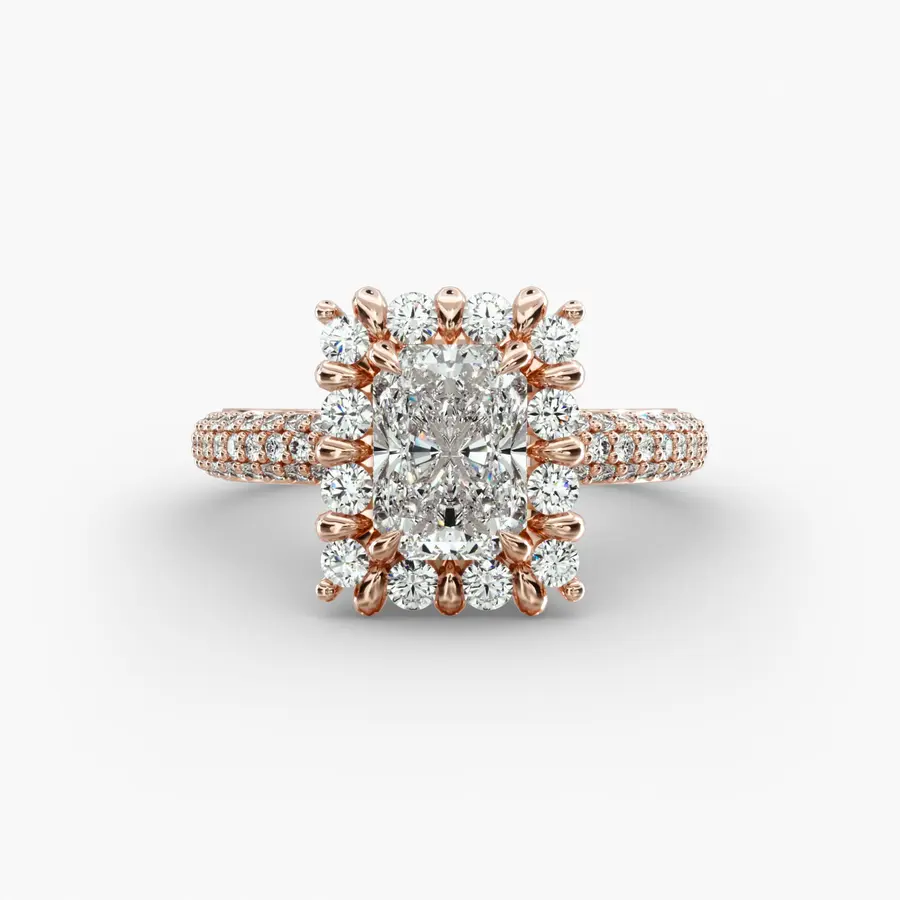
Cathedral Pavé Engagement Ring
Diamond Basket head
 Customise
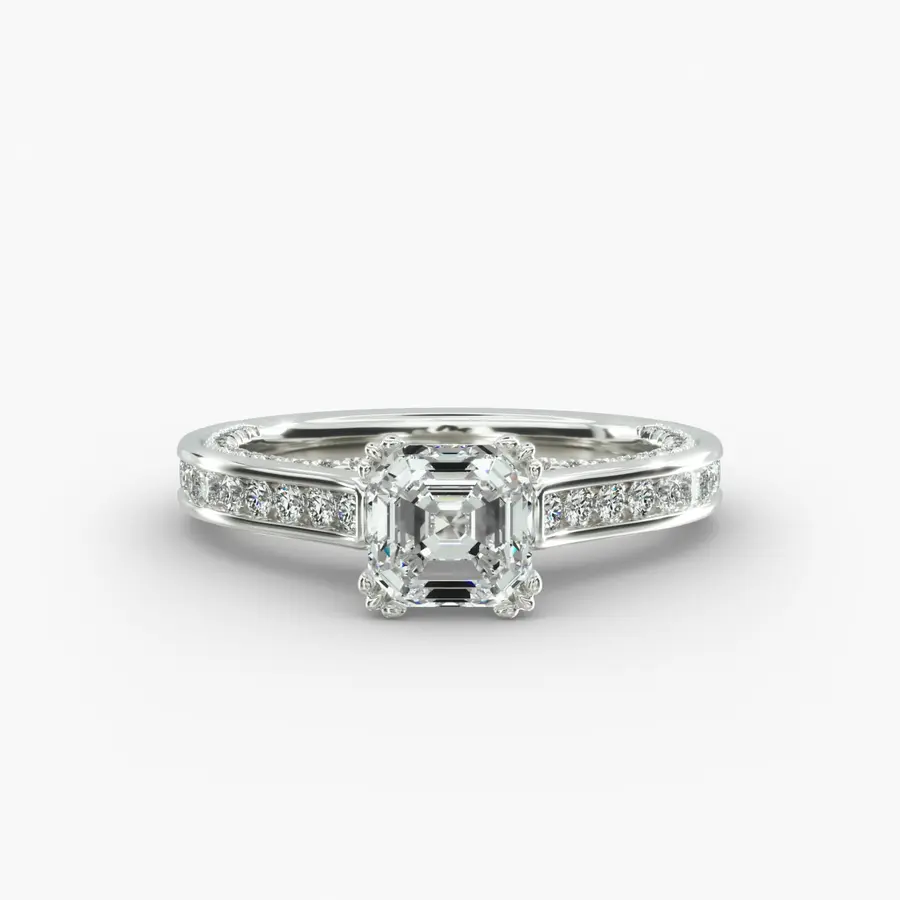
Triple Row Pavé Engagement Ring
Floral Halo head
 Customise
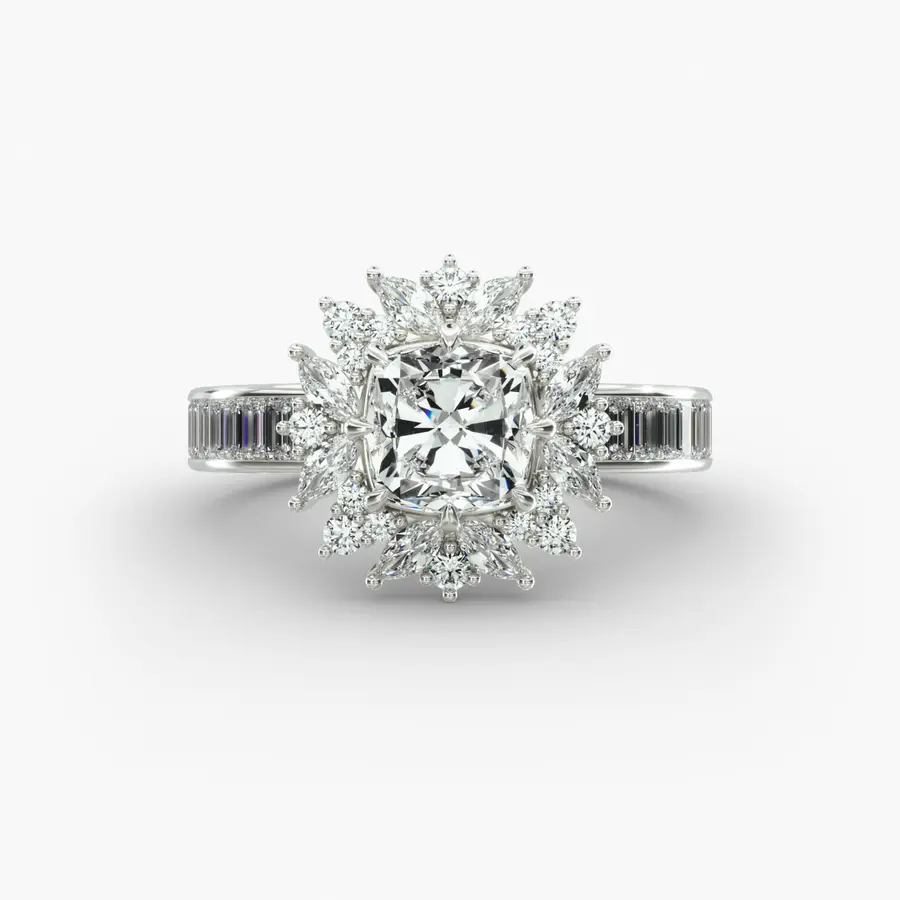
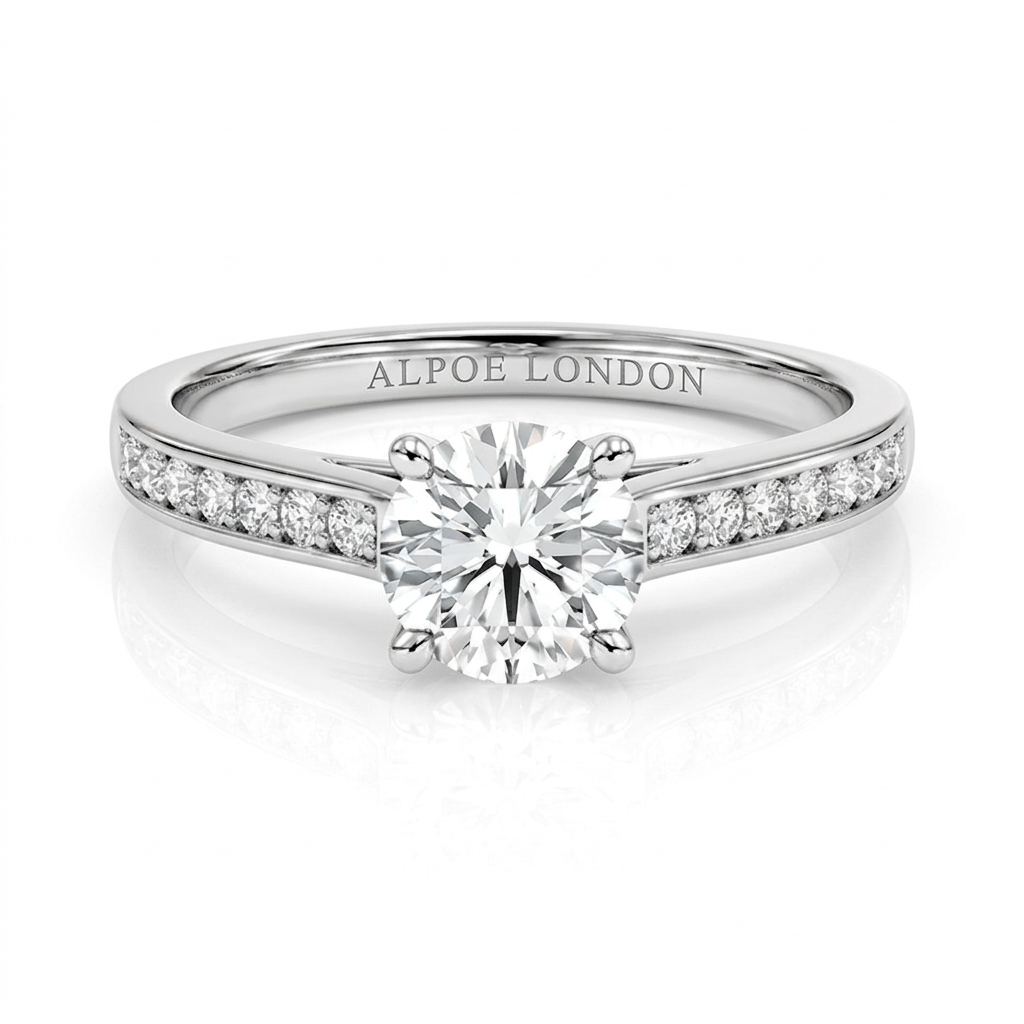
Round Channel Engagement Ring
Vintage Trefoil head
 Customise
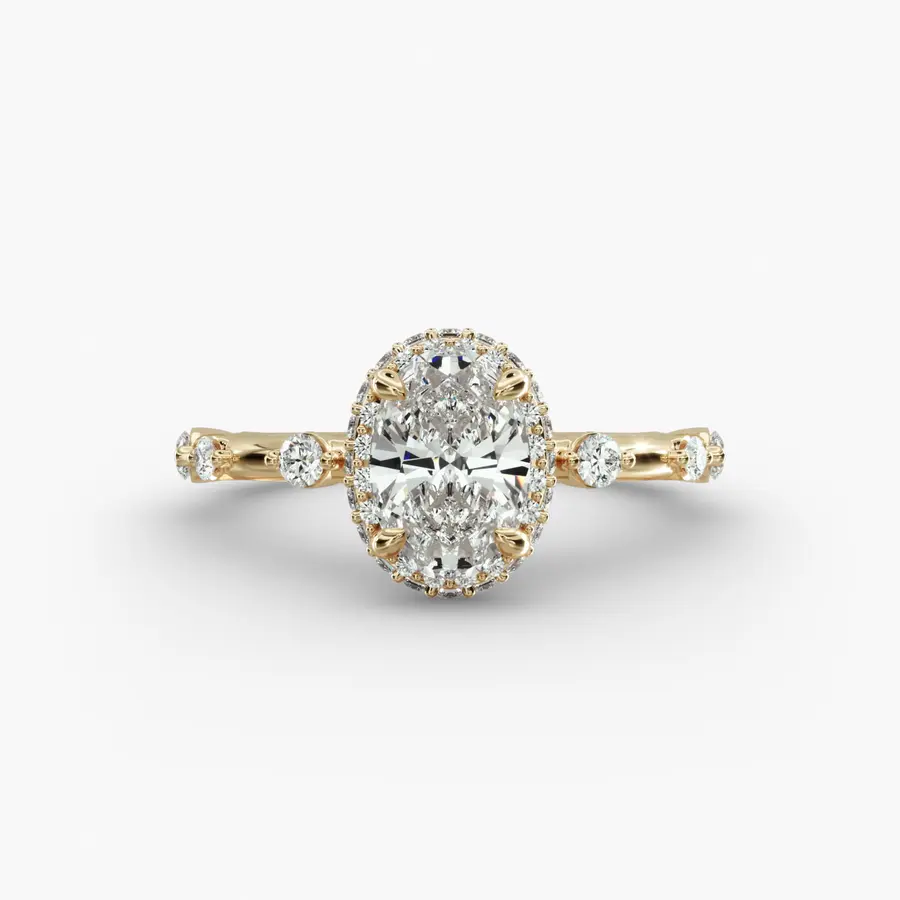
Baguette Channel Engagement Ring
Fancy Halo head
 Customise
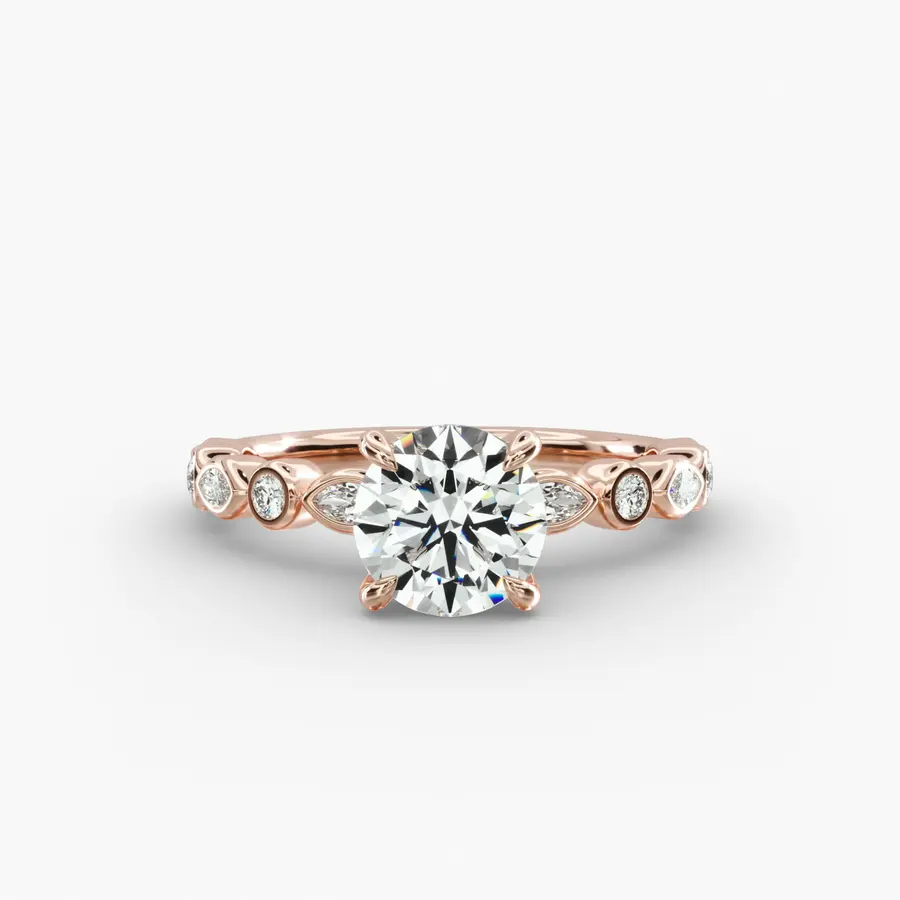
Floating Station Engagement Ring
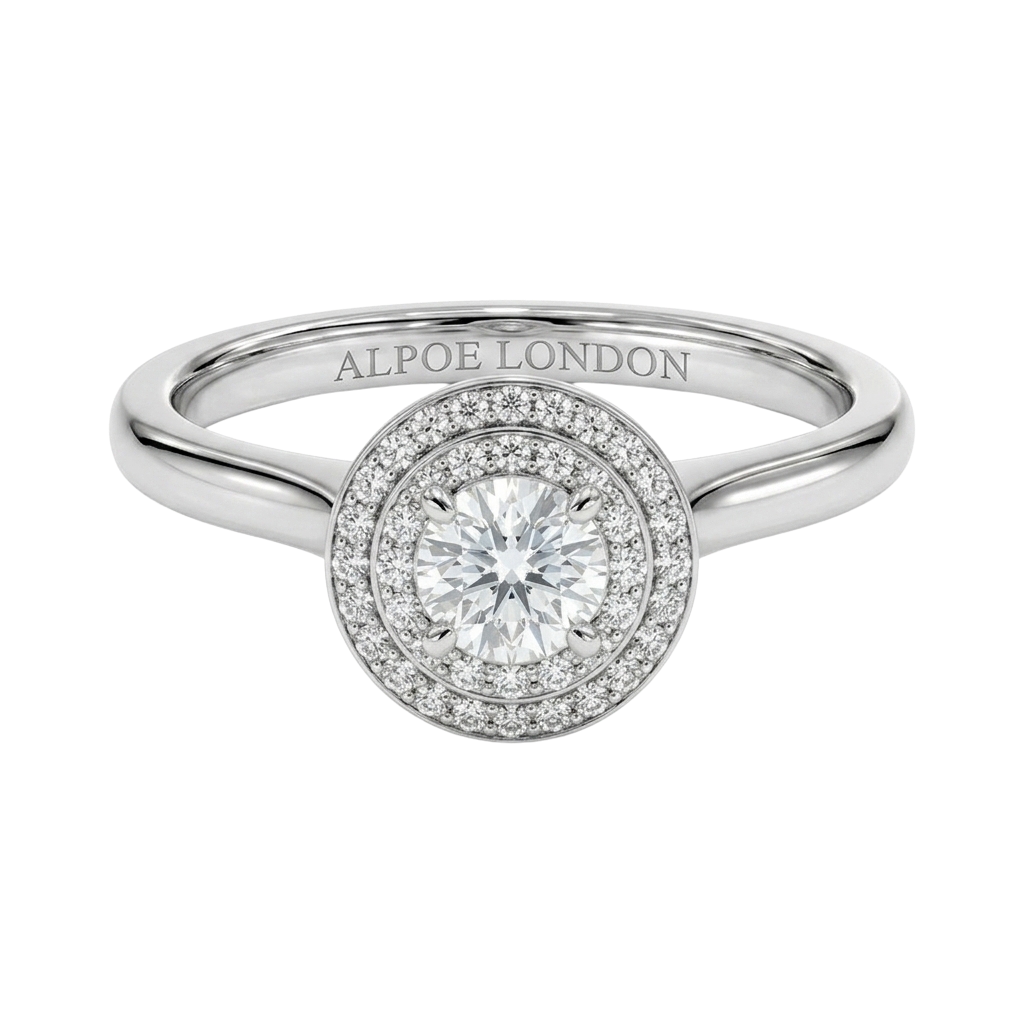
Double Halo head
 Customise
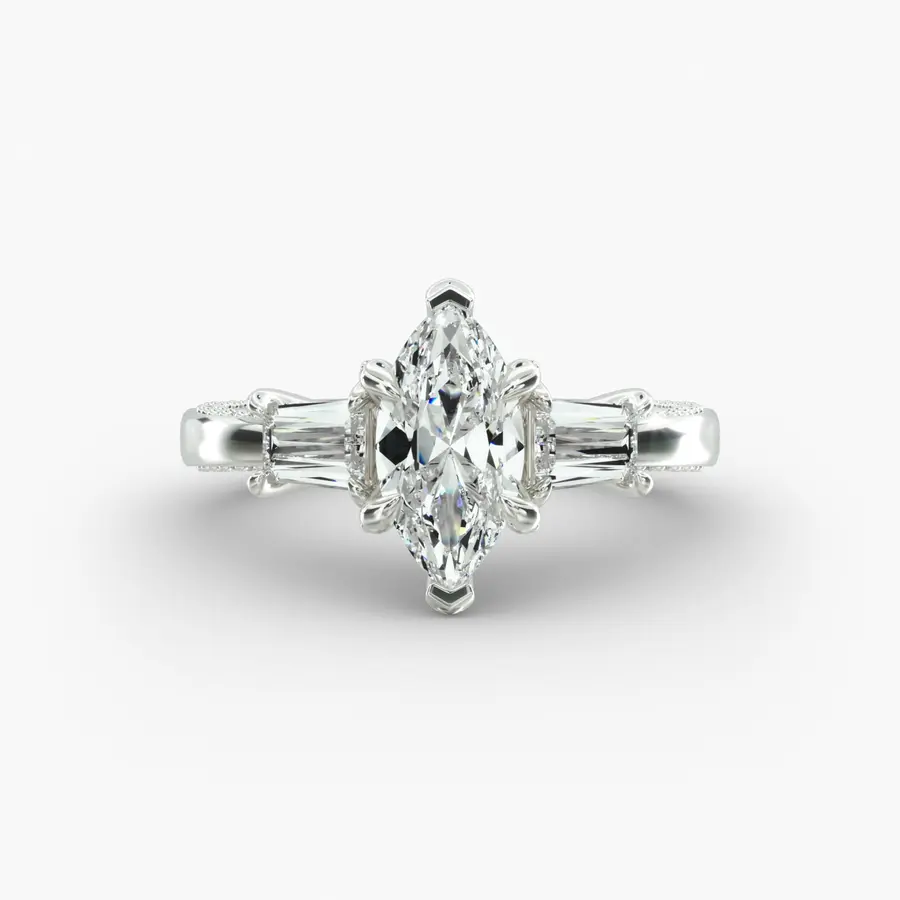
Alternating Marquise Engagement Ring
Surprise Diamond head
 Customise
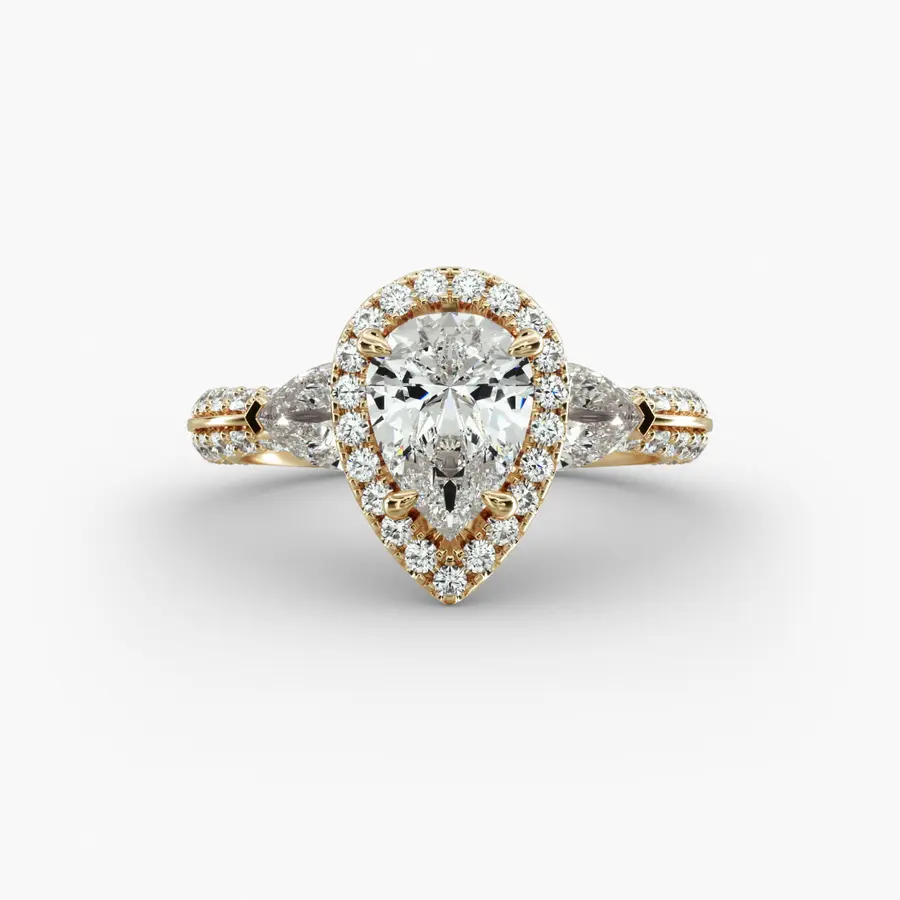
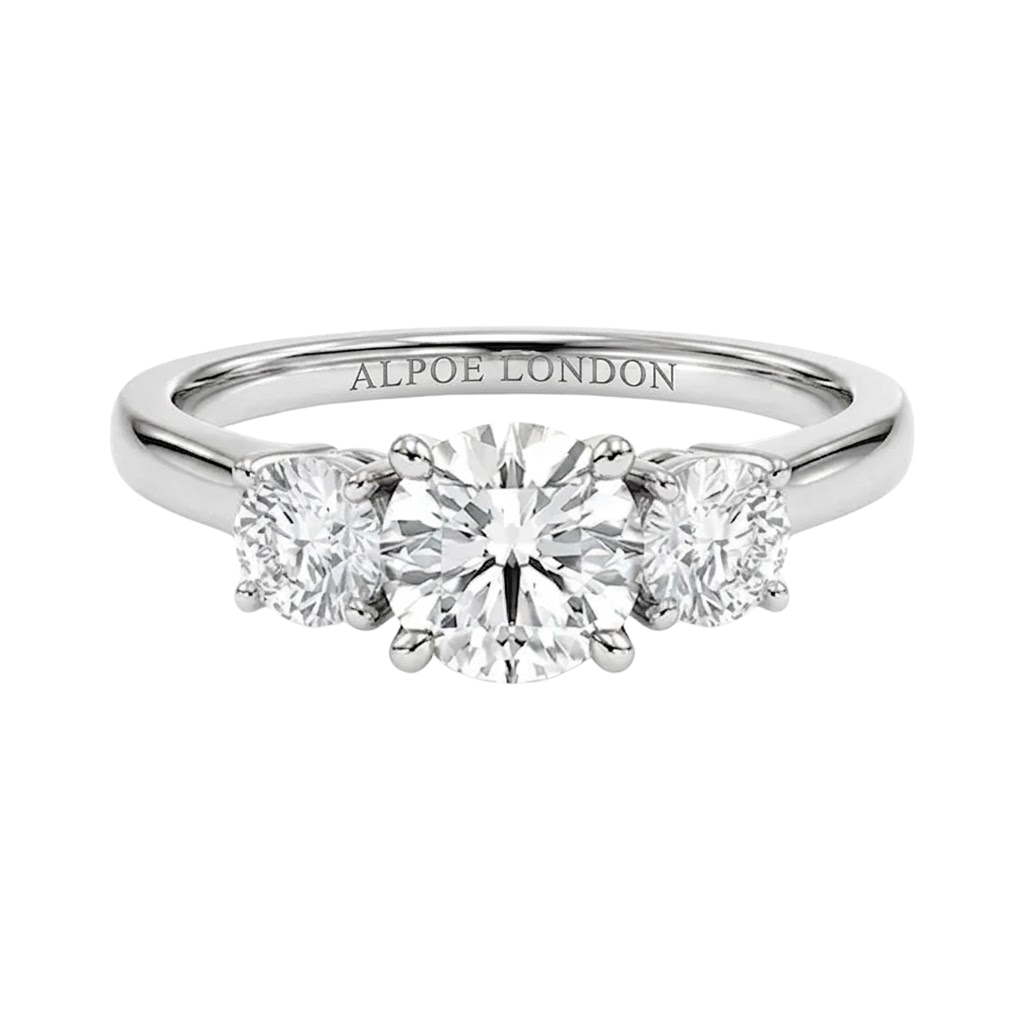
Three Stone Engagement Ring
Diamond Tulip head
 Customise
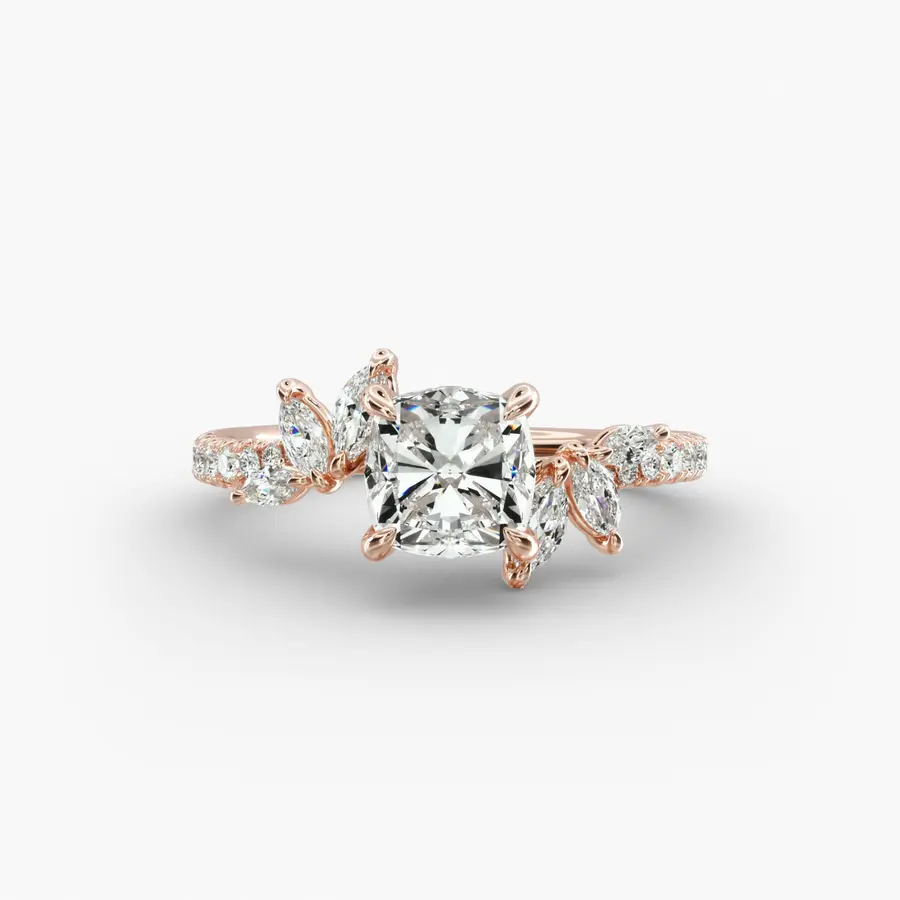
Knife Edge Pavé Engagement Ring
Classic Halo head
 Customise
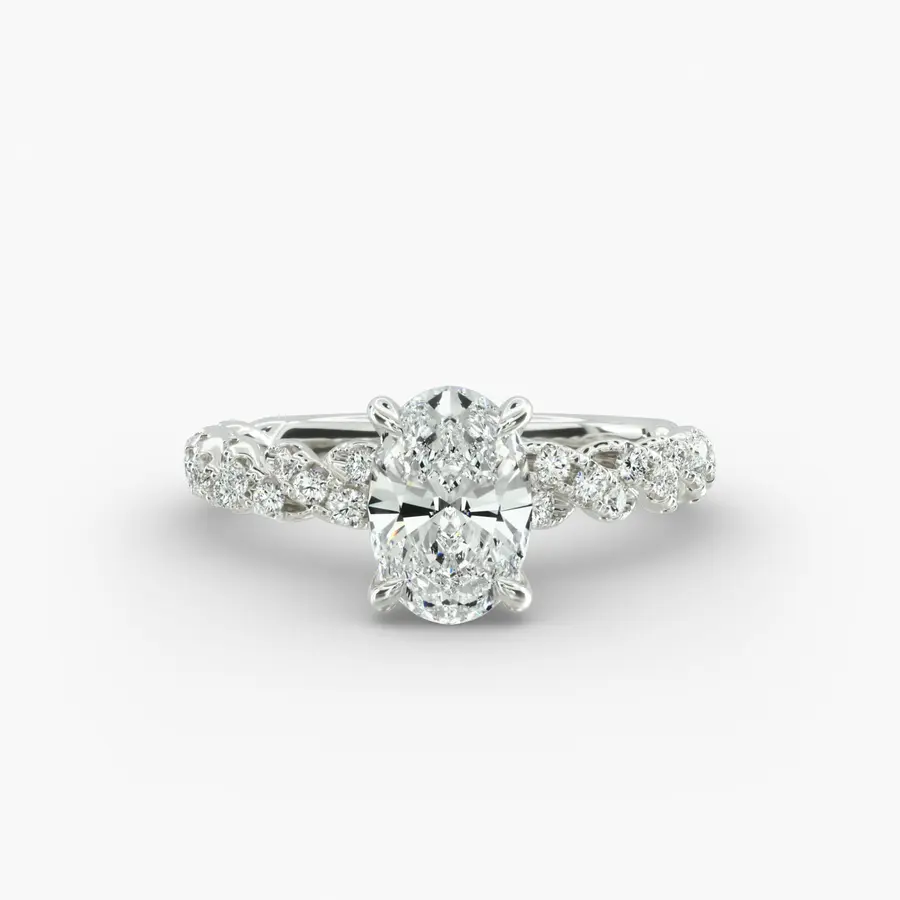
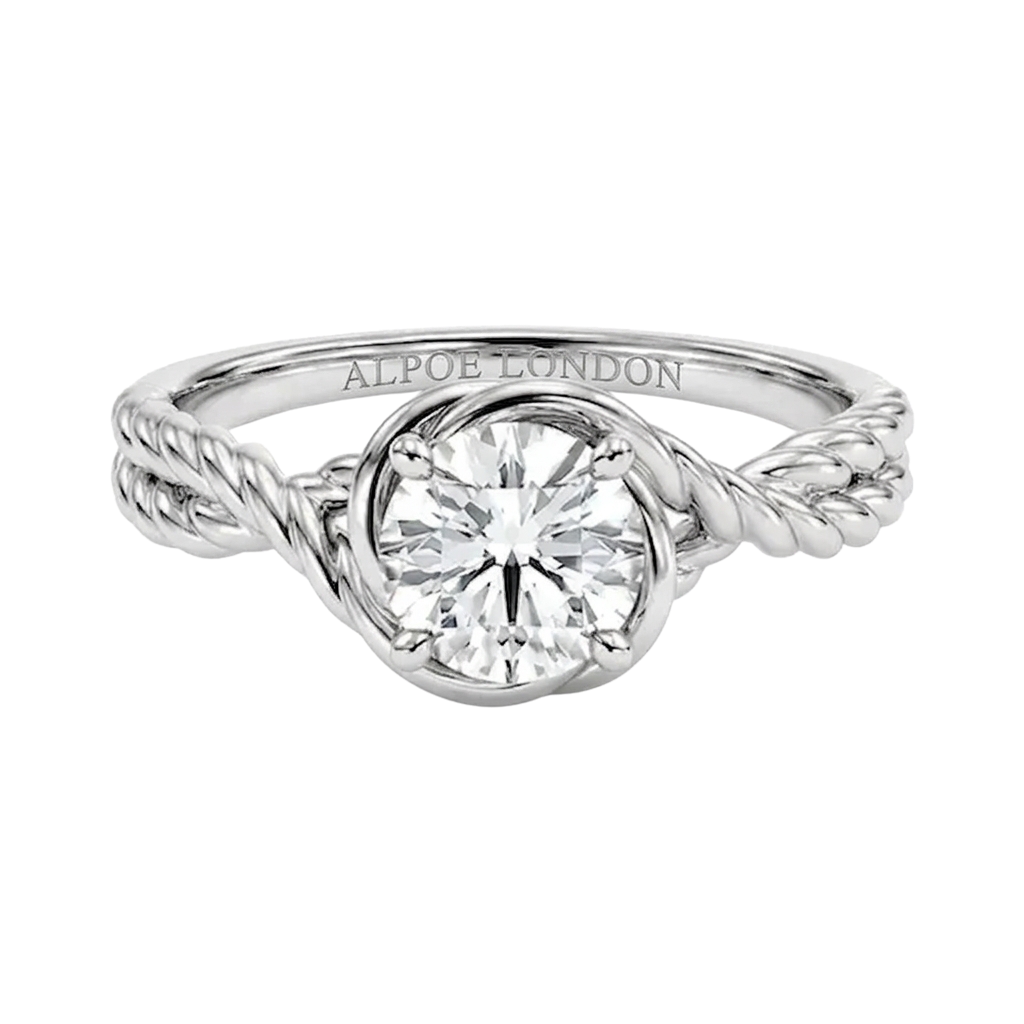
Floral Bypass Engagement Ring
Hidden Halo head
 Customise
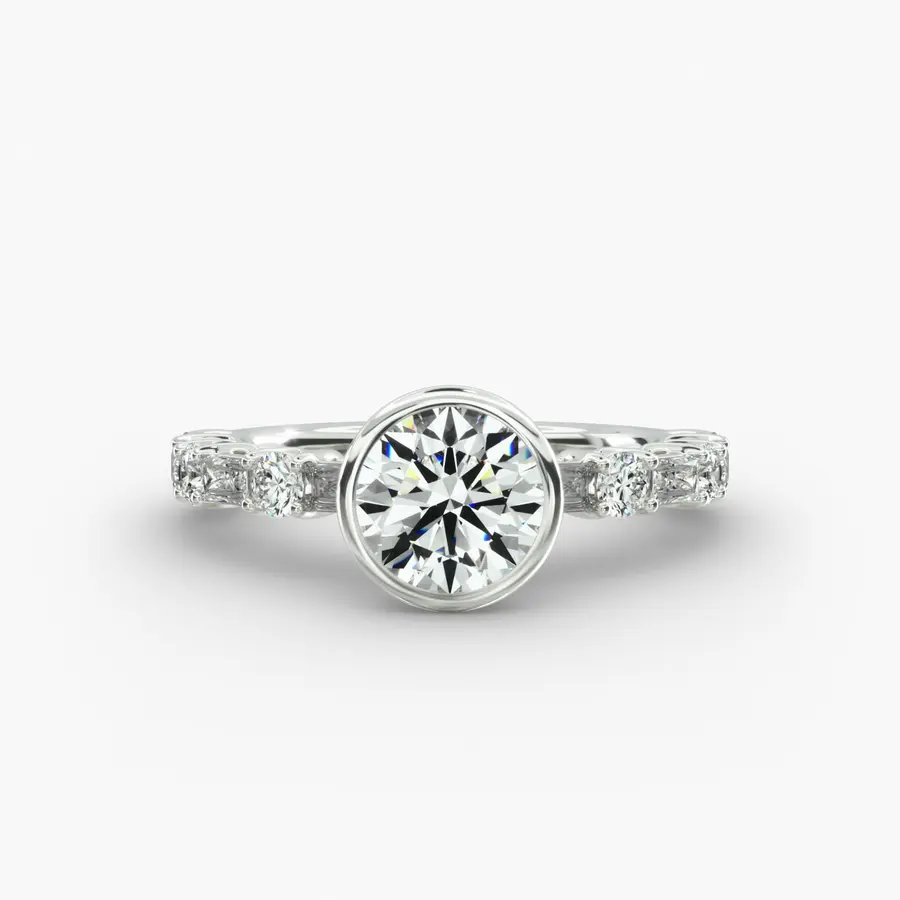
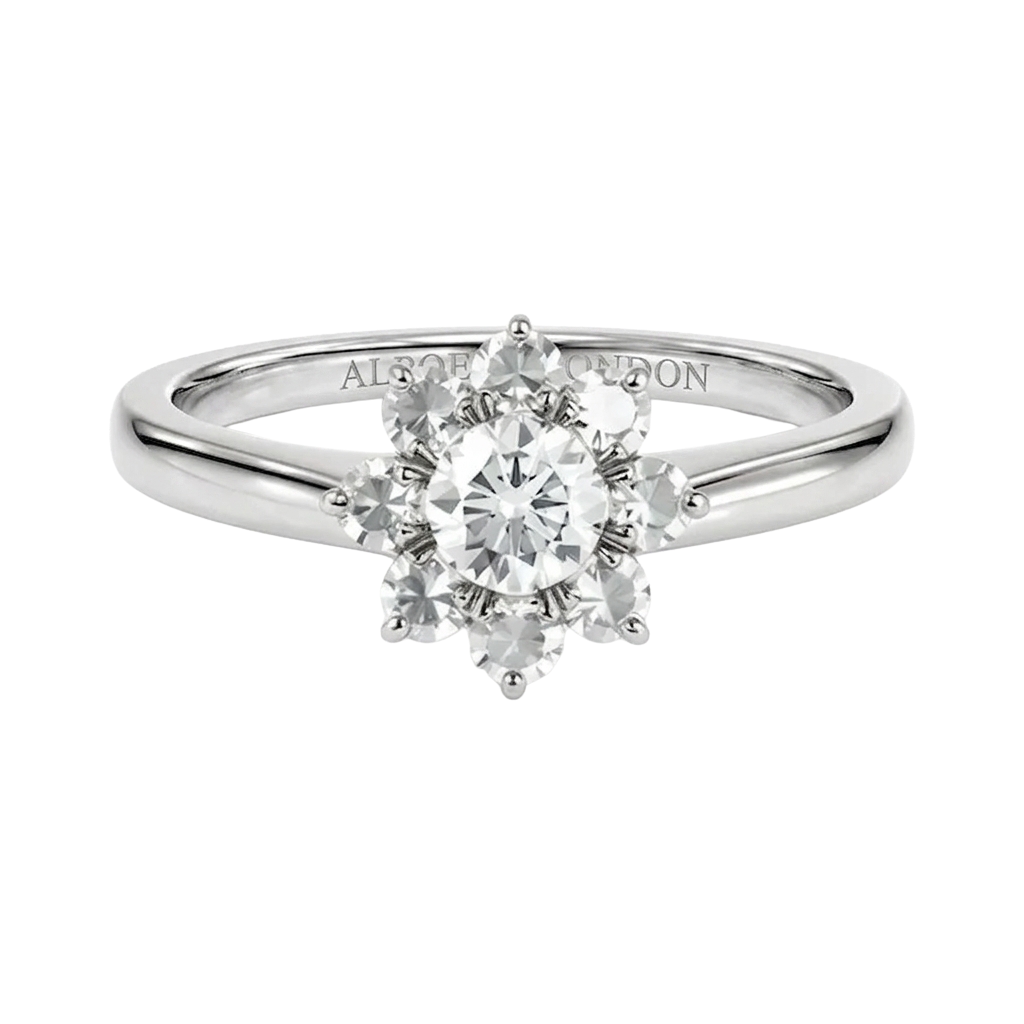
Twist Pavé Engagement Ring
Cluster head
 Customise
Alternating Baguette Engagement Ring
Rubover head
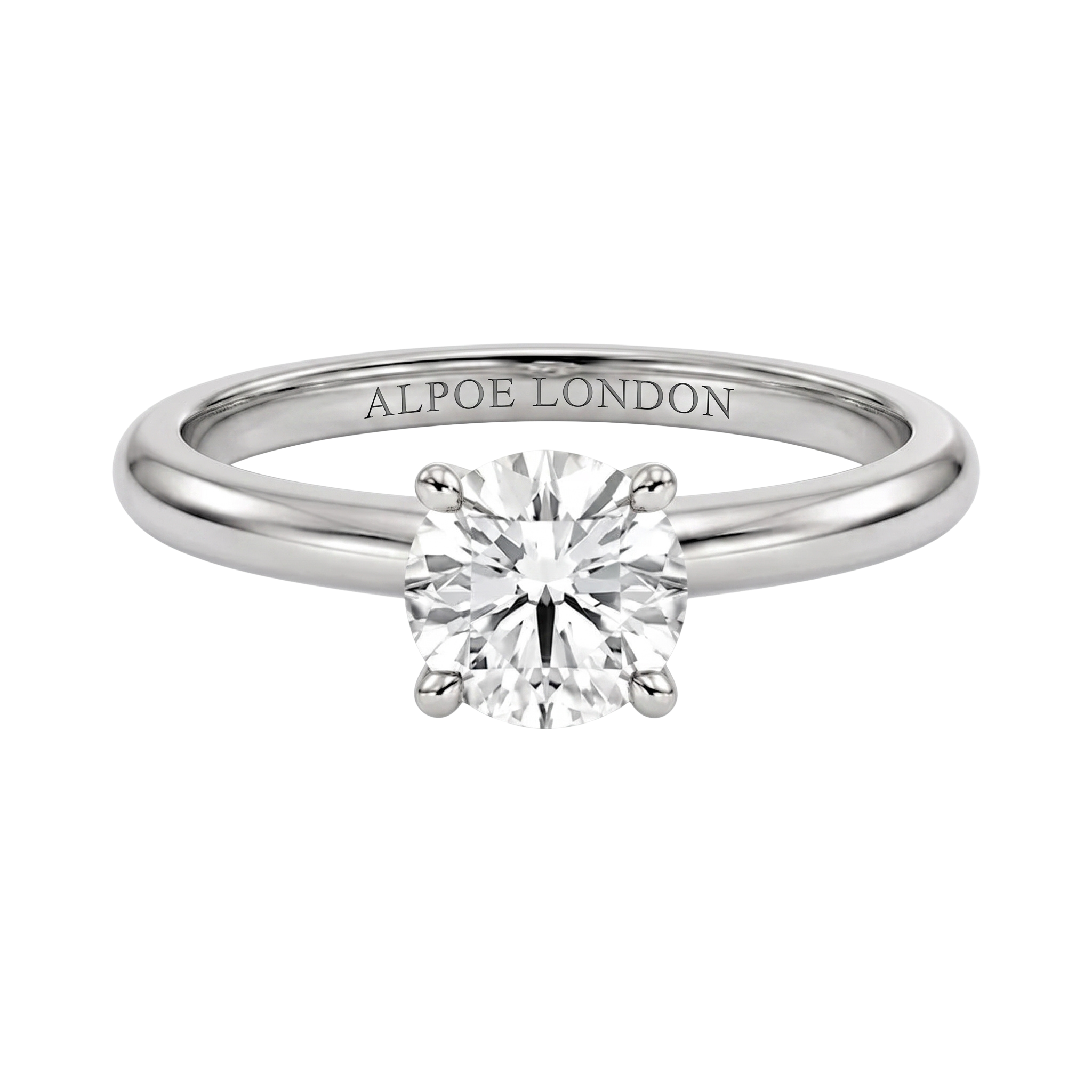
Ready to Ship Rings
Finished pieces we hold rather than make to order, so they can be sized and sent far sooner than a commission.
What each setting is called
The same setting goes by different names depending on who taught you the word. These are the ones we make most, and what each one is otherwise known as.
- Solitairealso called four claw, 4 prong
- A single centre diamond held in a timeless four-claw setting.
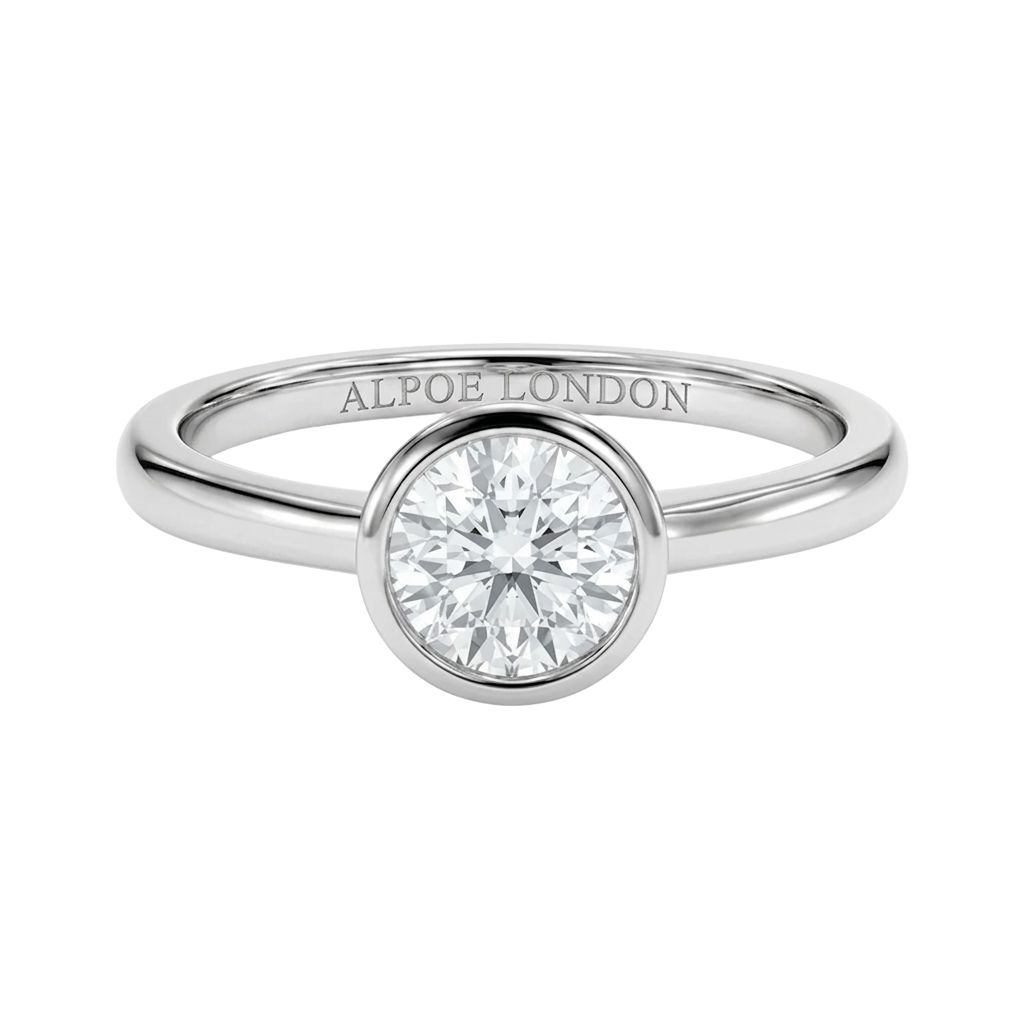
- Ruboveralso called bezel, collet, rub-over
- A wall of metal wrapped fully around the stone. The most protective setting, and the most modern.
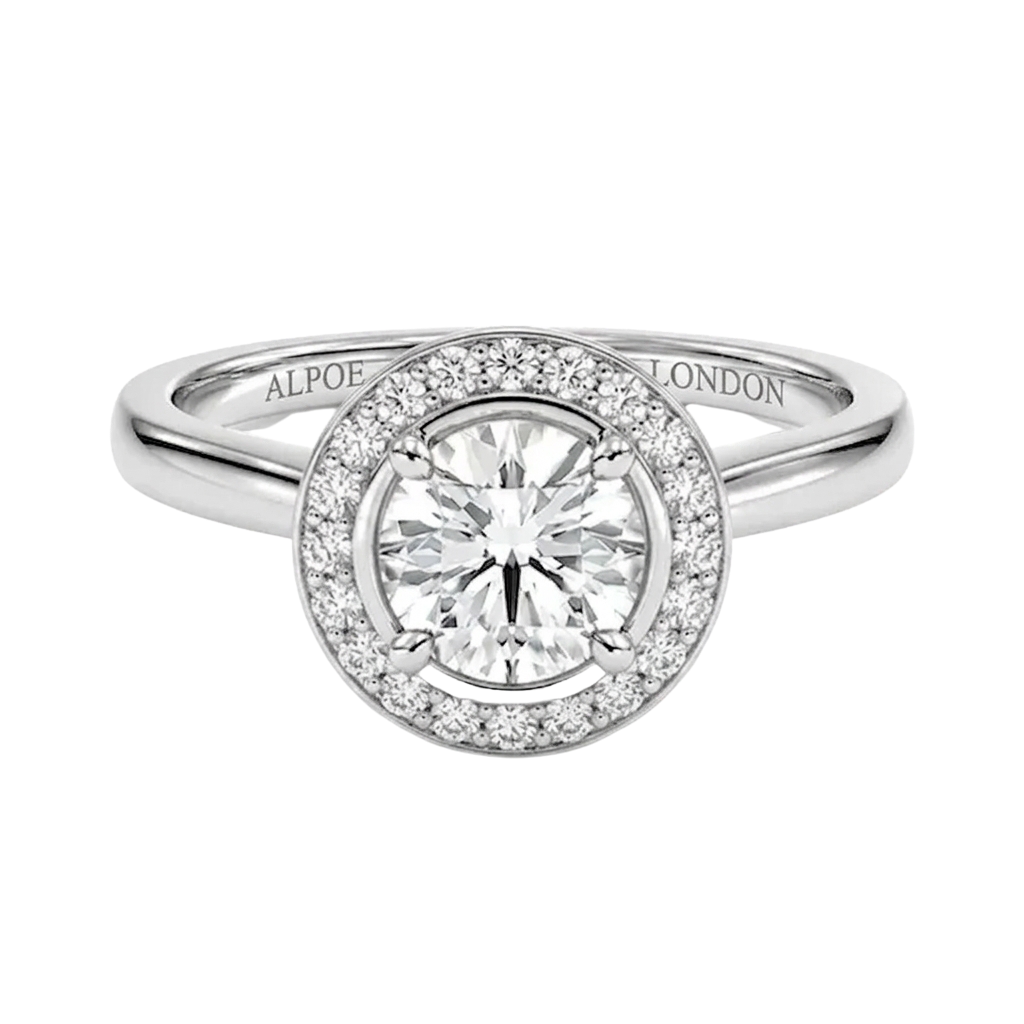
- Haloalso called cluster halo
- A ring of grain-set diamonds framing the centre stone, making it read considerably larger.
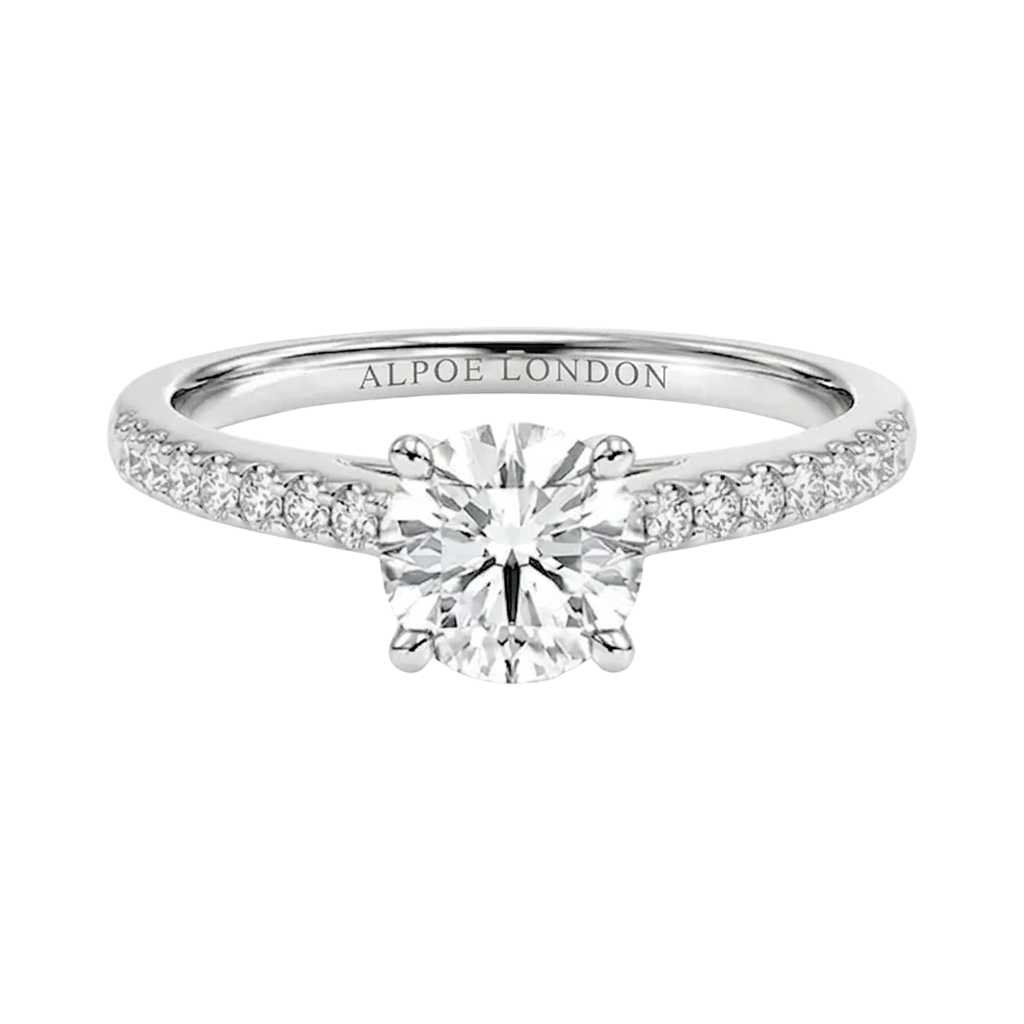
- Grain Setalso called pavé, pave, bead set
- Diamonds set into the shoulders with raised beads of metal, so the band itself catches light.
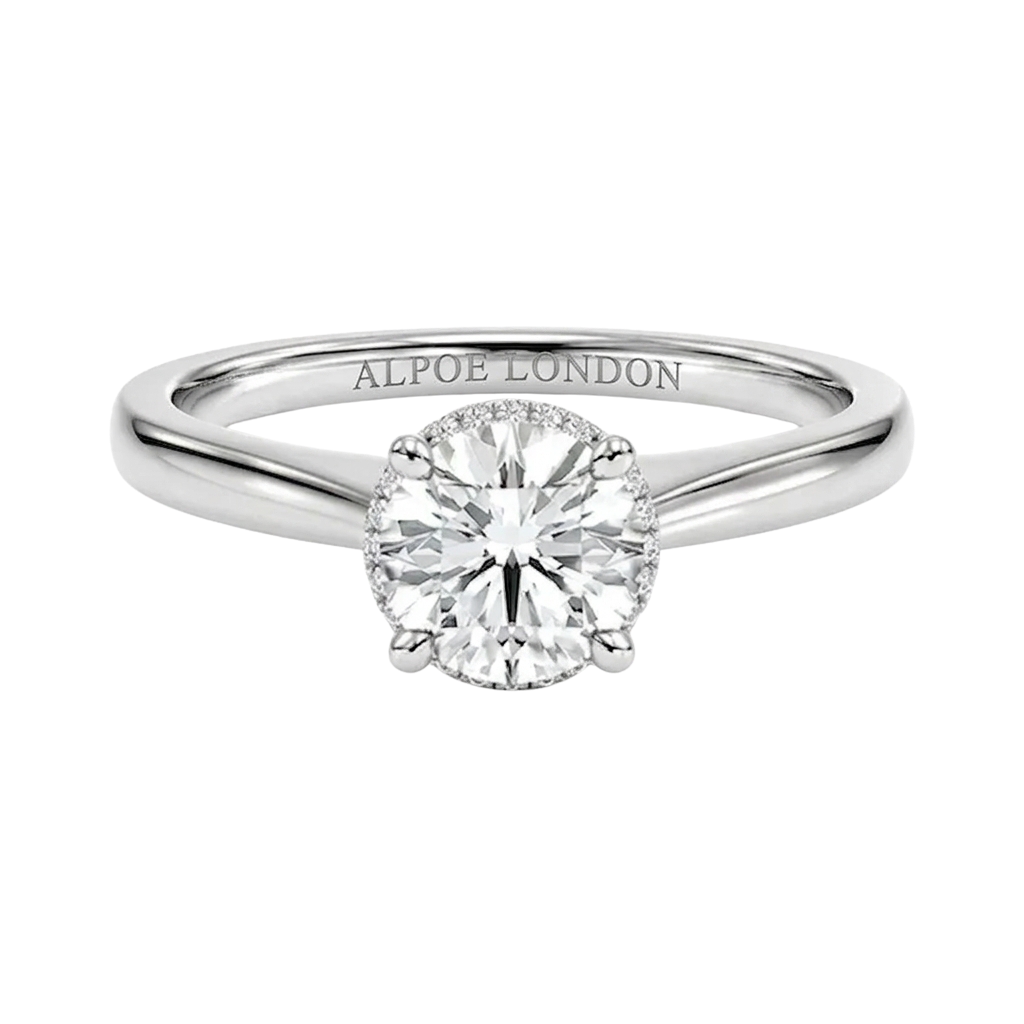
- Hidden Haloalso called under halo, gallery set
- A halo set beneath the girdle, invisible from above and a surprise from the side.
- Double Haloalso called dual halo
- Two concentric rings of diamonds around the centre stone.
- Trilogyalso called three stone, past present future
- Three stones together — traditionally read as past, present and future.
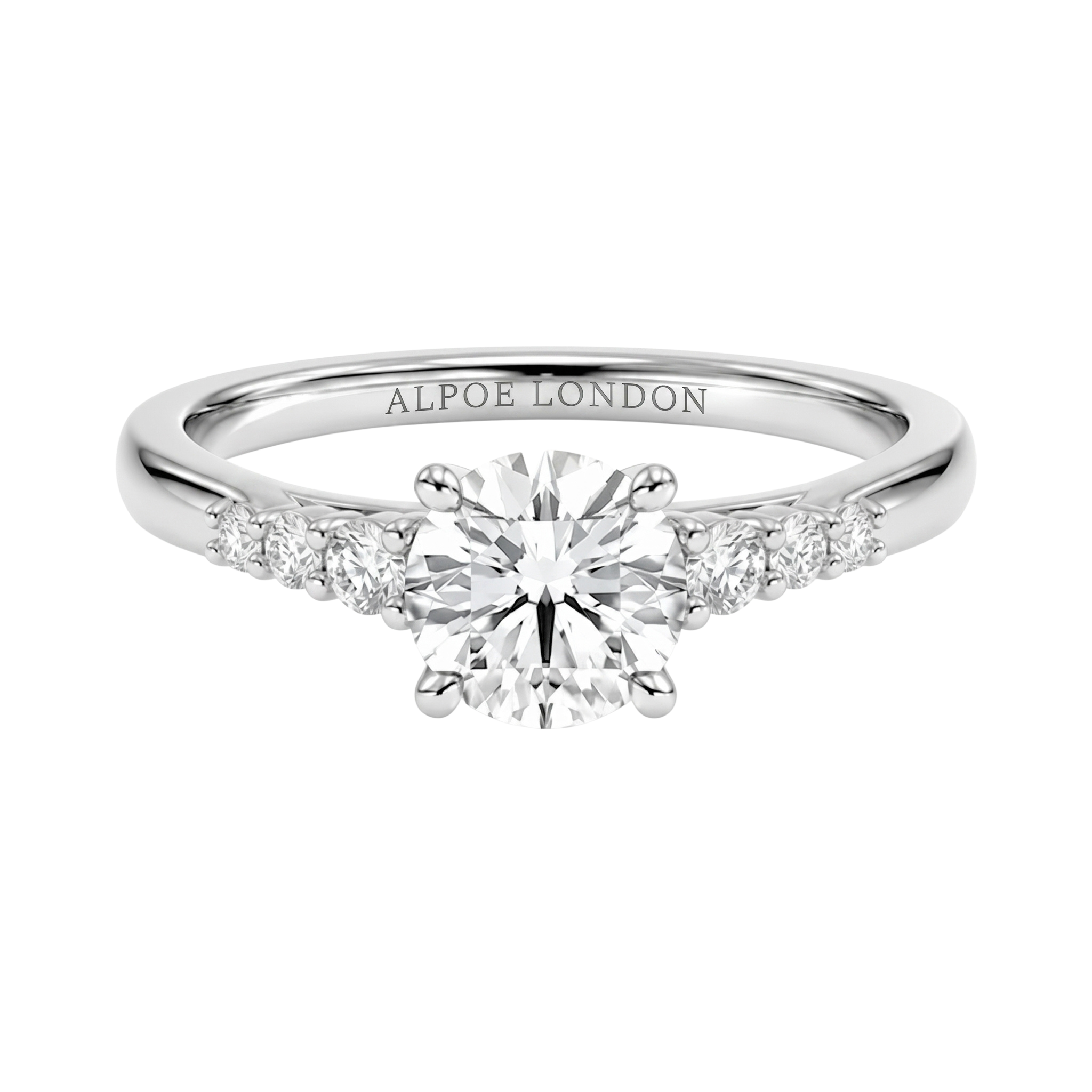
- Side Stonealso called shoulder set
- A centre stone flanked by smaller diamonds set into the shoulders.
- Channel Setalso called channel
- Diamonds sunk between two rails of metal, flush and hard-wearing.
- Split Shankalso called forked shoulders, split band
- The band divides as it approaches the setting, lifting the stone.
- Knife Edge
- A band rising to a fine ridge, catching light as a single bright line.
- Crossoveralso called twist, bypass
- Two bands crossing beneath the stone, wrapping the finger.
- Clusteralso called target
- Similarly sized diamonds grouped as one flower-like head. A genuinely British setting, Georgian in origin.
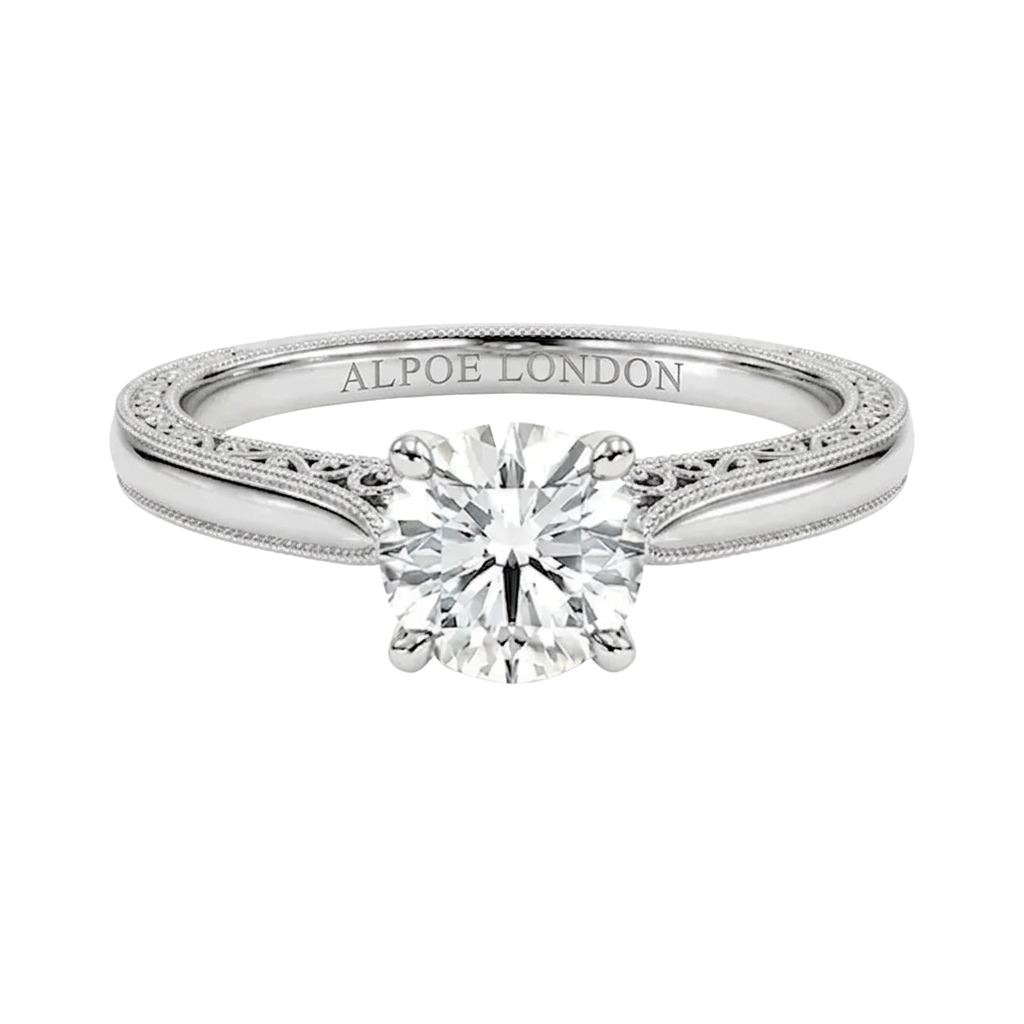
- Vintagealso called trefoil, milgrain
- Millgrain edging and fine scrollwork, drawn from Edwardian and Art Deco pieces.
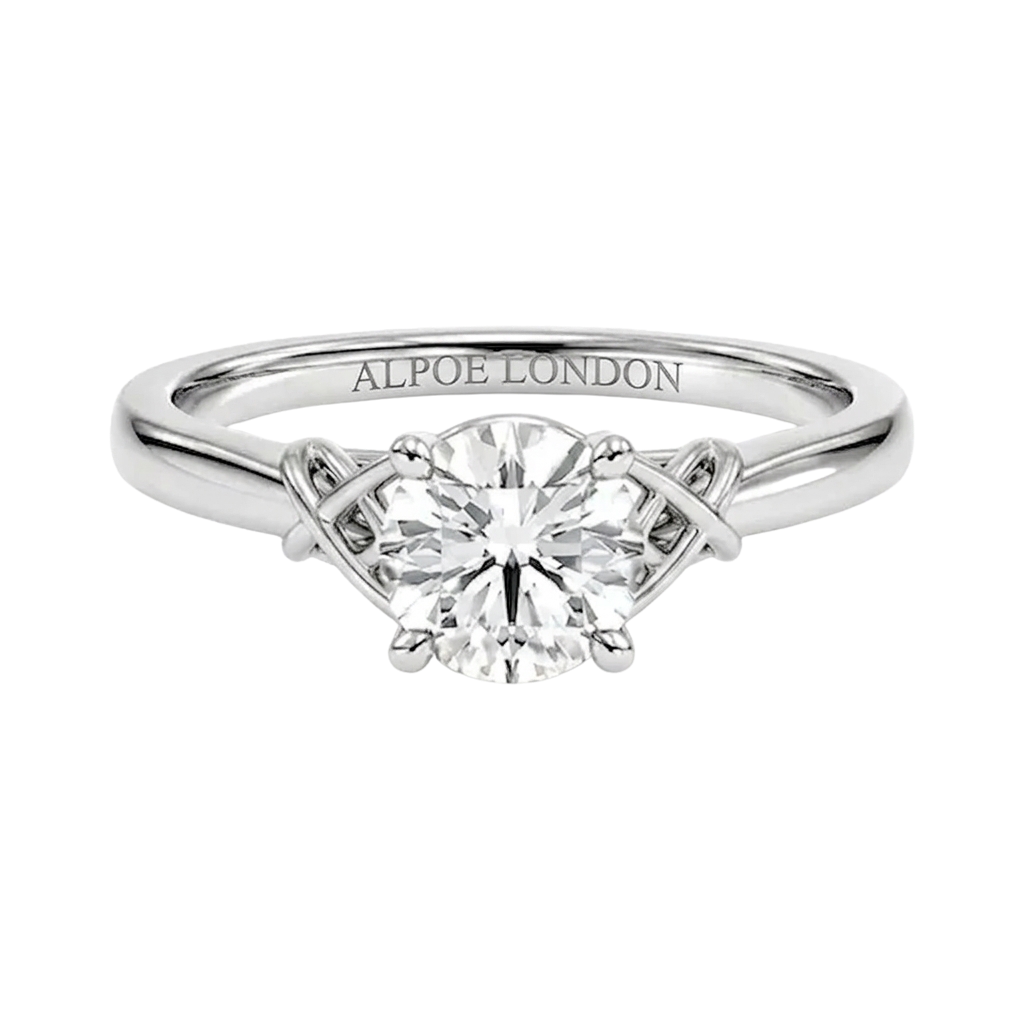
- Trellis
- Claws that cross beneath the stone like woven basketwork.
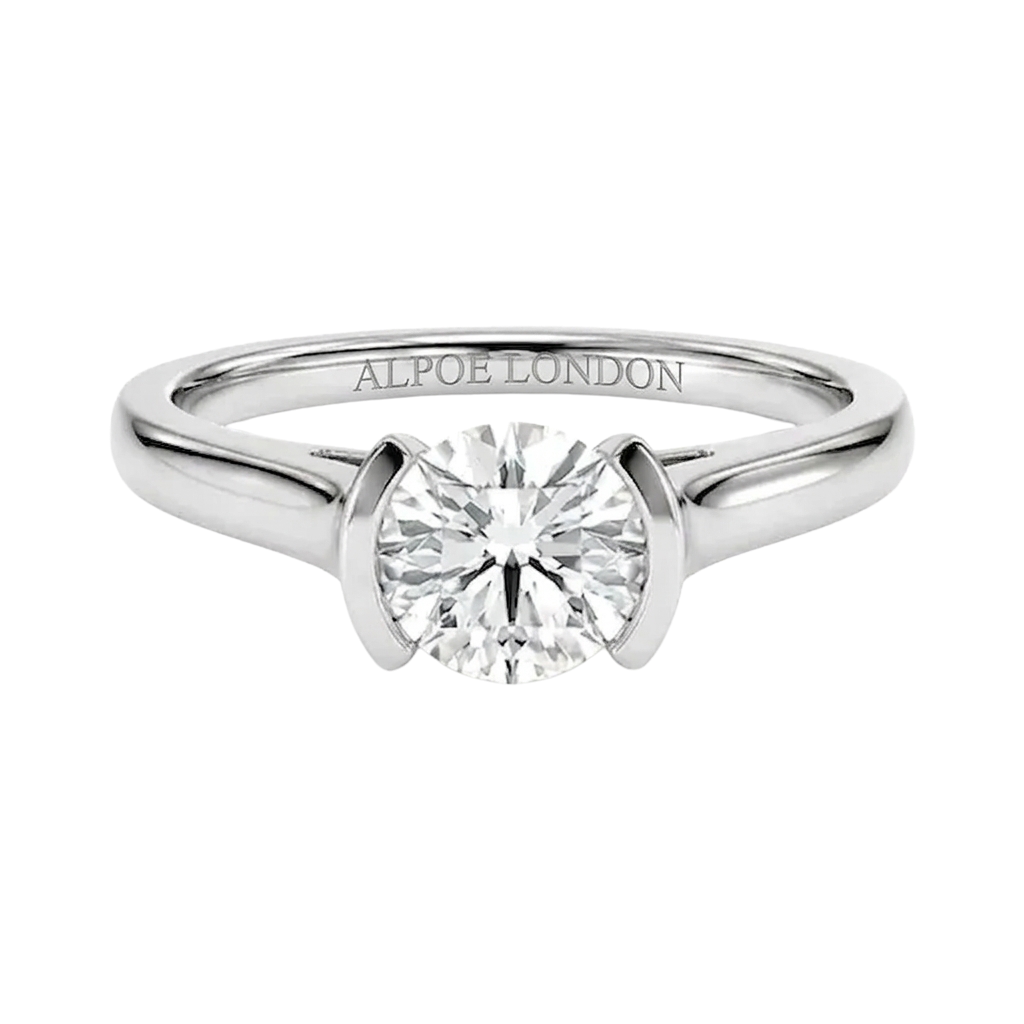
- Tension Set
- The stone appears suspended, held by the spring of the metal alone. It cannot be resized in the ordinary way, so we size it carefully with you.
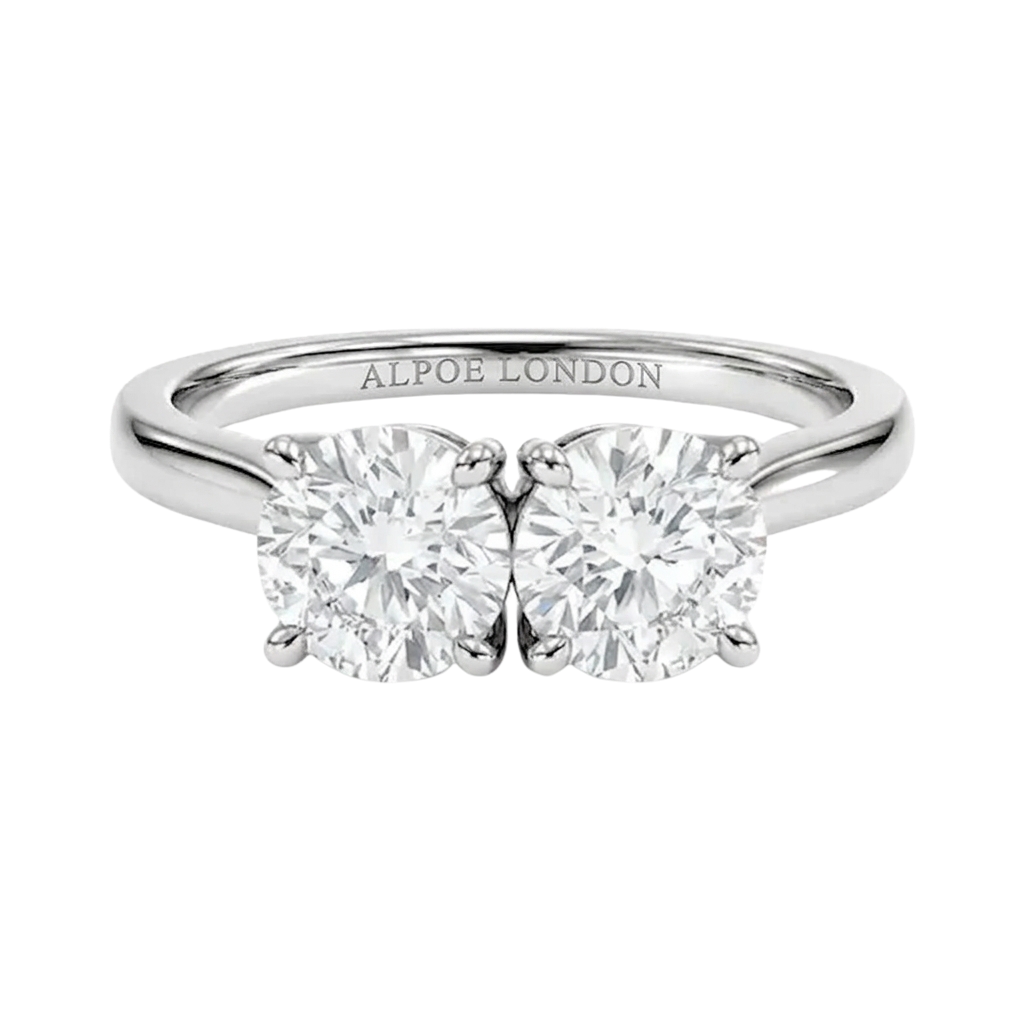
- Toi et Moialso called you and me, two stone
- Two stones side by side — a French design meaning 'you and me'.
Or start from the diamond shape
Each of these covers what the shape changes — how it sparkles, what it hides, the length-to-width ratio to ask for, and how it has to be set to survive being worn.
How a commission works
Every ring above is made from scratch once you have chosen it, at a bench in Hatton Garden. Nothing is cast until you have seen a design and agreed a price.
- 01
Choose a starting point
A style above, a photograph, a sketch, or a stone you already own. Nothing here is a fixed product — it is a place to begin.
- 02
See it in CAD
We model the exact ring and send it to you to look at, with the price. Changes at this stage cost nothing but a day.
- 03
Cast, set and finish
Cast in your metal, the stones set by hand, then polished. This is the part that takes the time.
- 04
Hallmarked and yours
Struck at the London Assay Office, whose counter is on Greville Street here in Hatton Garden, then sized and handed over or shipped insured.
What people ask before they commission a ring
How long does a bespoke engagement ring take?
It depends on the ring, so we give you a date when we quote rather than quoting a standard one. Casting, setting, finishing and hallmarking at the London Assay Office are each a real step. If you are working to a deadline, tell us at the very start — we would rather turn a date down than miss it.
Are you an engagement ring maker, or do you resell?
We are makers. Rings are designed with you and made to order at our own bench in Hatton Garden — cast or hand-fabricated here, set here, and sent to the London Assay Office to be hallmarked before they come back to us. Nothing on this page is a finished ring bought in from a wholesaler and marked up, which is why the lead time is measured in weeks rather than in next-day delivery.
How much should I spend on an engagement ring?
As much as suits you, and no more. The three-months'-salary rule was written by an advertising agency in the 1930s and has no other basis. What actually moves the price is carat weight above everything, then colour and clarity, then the metal — so the useful question is not what to spend but which of those to spend it on, and that is a conversation rather than a number.
Can I use a diamond or a ring I already own?
Yes — the ring builder already opens on starting from a sketch, an heirloom stone or a conversation. An inherited stone can be reset into something you will actually wear. Bring it in and we will tell you honestly whether it is worth resetting before you commit to anything.
Do you offer laboratory-grown diamonds?
Yes, on every setting here, and we do not steer you toward either one. A laboratory-grown diamond is chemically and optically identical to a mined one and graded by the same laboratories, and typically costs a good deal less for the same size and grade — which is why many people put the difference into a larger stone. Our guide sets out the whole comparison.
Can I come and see the diamonds in person?
Yes, and if you can, you should. Two stones with identical certificates can look quite different across a counter, and nothing on a screen shows you that. Book an appointment and we will put several side by side.
What if the ring does not fit?
Most rings can be adjusted a size or two either way, and we will tell you what that involves before you commission anything. The exception is a full eternity band, where the diamonds run the whole way round and the spacing cannot be altered — which is exactly why the size matters most on the rings that are hardest to change.